

By Delta Force Group — Integrated facilities management across 500+ UK sites. Learn about our Water Compliance services.
UK-specific guidance: This guide reflects UK context for legionella control; verify against your site risk assessment and current guidance. Last reviewed: 28 February 2026.
📌 Key Takeaways: Legionella Basics
- •The Risk: Legionnaires' disease is a potentially fatal pneumonia contracted by inhaling breathable water droplets (aerosols) containing legionella bacteria.
- •The Source: Bacteria multiply rapidly in purpose-built water systems—like cooling towers and spa pools—when water temperatures are between 20–45°C.
- •The Solution: Effective legionella control relies on strict temperature management: keeping cold water below 20°C and storing hot water above 60°C.
What is Legionella?
Legionellosis is a collective term for diseases caused by legionella bacteria, which includes the potentially fatal Legionnaires' disease, as well as the less serious conditions known as Pontiac fever and Lochgoilhead fever. Legionnaires' disease is a severe form of pneumonia, and while everyone is susceptible, people over 45, smokers, heavy drinkers, and those with impaired immune systems face a much higher risk.
For UK facility managers and building owners, understanding legionella is critical because it directly impacts your duty of care under the Health and Safety Executive (HSE) guidelines. Delta Force Group's Water Compliance services help organisations manage this risk effectively.
Where Does Legionella Come From?
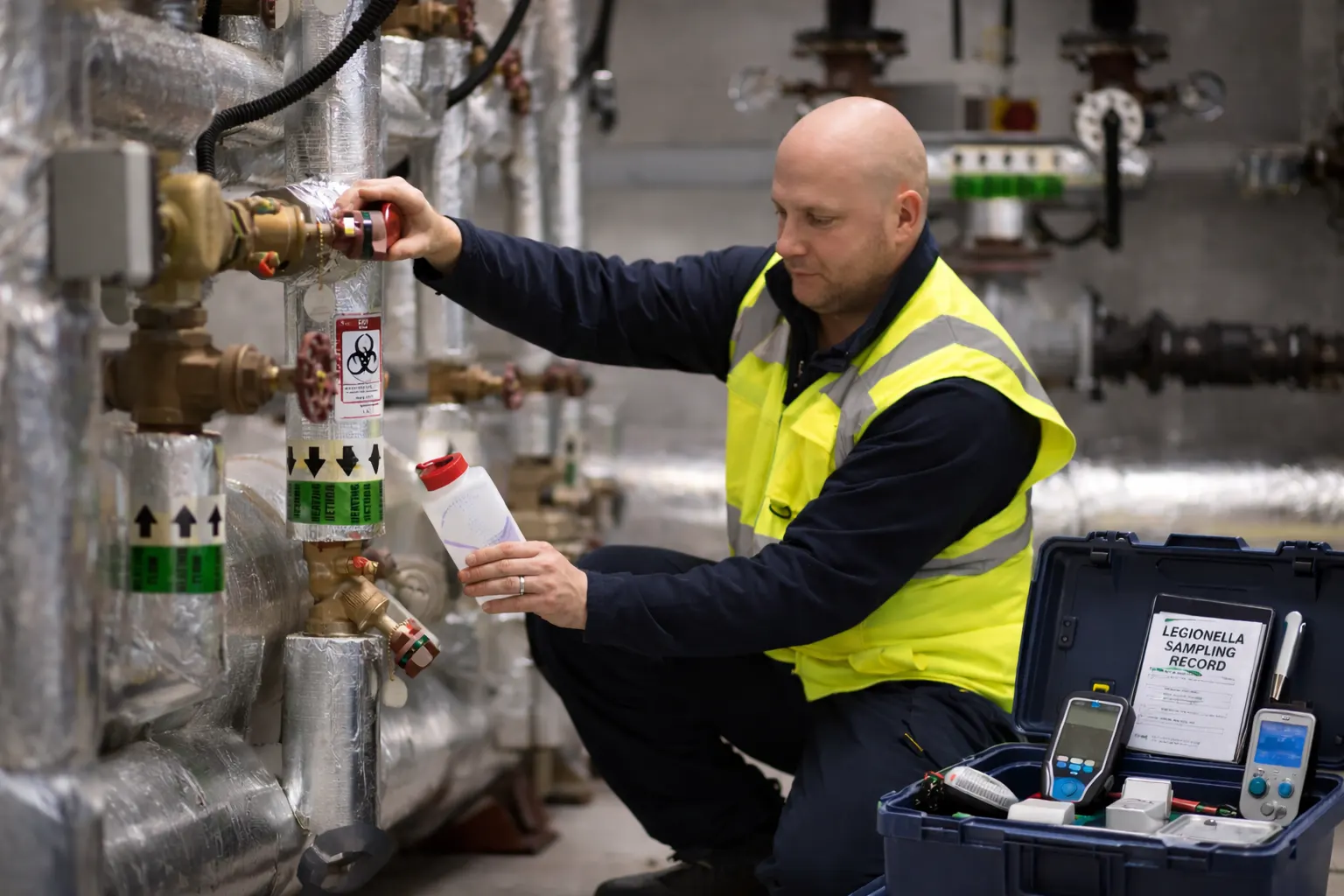
Legionella pneumophila and its related bacteria are actually widespread in natural water sources like rivers, lakes, and ponds. However, the conditions in these natural environments are rarely right for people to catch the disease.
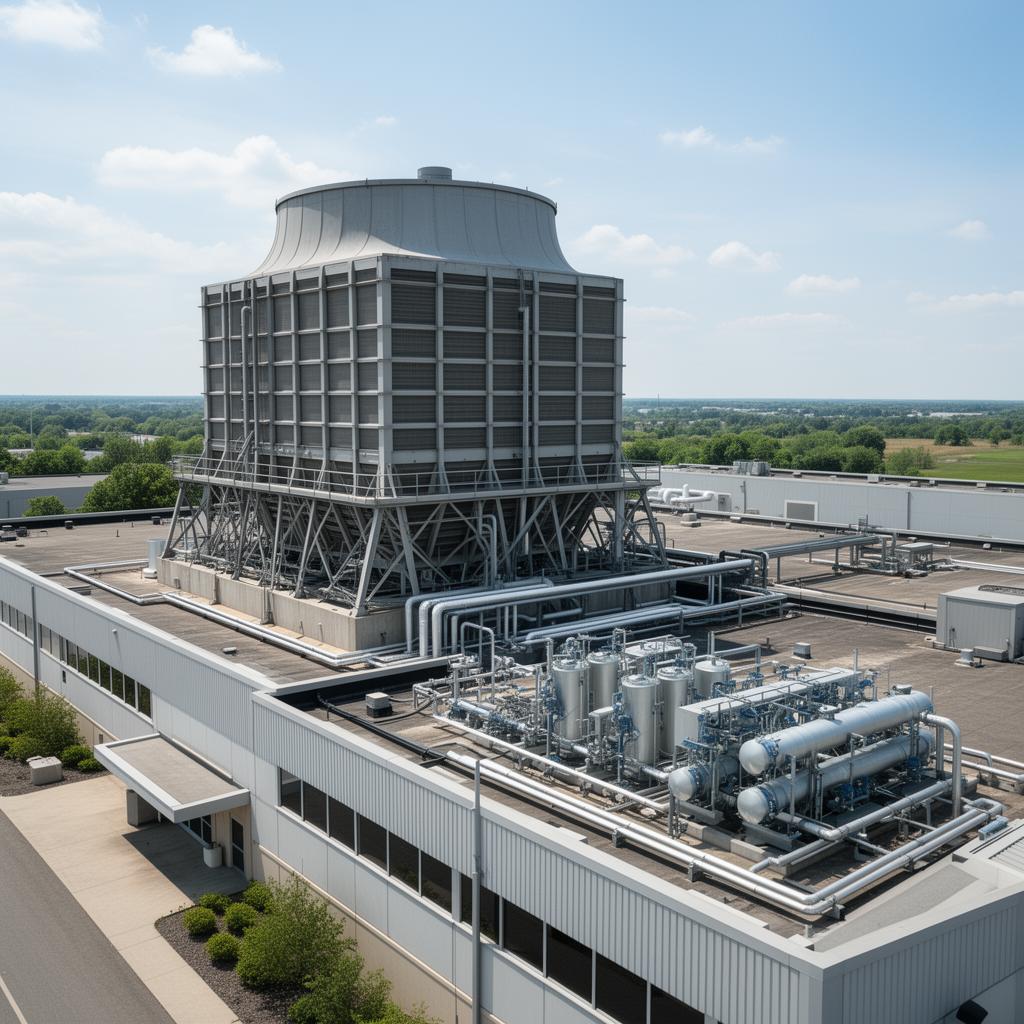
The real danger arises when the bacteria enter purpose-built water systems where the water is maintained at temperatures high enough to encourage rapid bacterial growth. Common systems that present a high risk include:
- •Cooling towers and evaporative condensers
- •Hot and cold water systems in commercial or domestic premises
- •Spa pools
- •Humidifiers, air washers, and indoor ornamental fountains
How Do People Get It?
People contract Legionnaires' disease by inhaling small, breathable droplets of water—known as aerosols—that are suspended in the air and contain the bacteria. The risk of exposure increases under certain environmental conditions:
- 1Temperature: The water temperature is between 20–45°C, the optimal range for bacterial growth.
- 2Aerosol Creation: Breathable water droplets can be created and dispersed (e.g., by a cooling tower or water outlet).
- 3Stagnation: Water is stored or re-circulated.
- 4Nutrient Sources: Deposits like rust, sludge, scale, organic matter, and biofilms are present to feed the organism.
Effective Legionella Control Strategies
If conditions are favourable, the bacteria will multiply, increasing the health risks. Therefore, proper legionella control requires designing, operating, and maintaining your water services under conditions that prevent this growth. Temperature control is the most traditional and common strategy for reducing risk.

Other vital control precautions include avoiding water stagnation (which encourages biofilm growth), avoiding materials that harbour bacteria, controlling the release of water spray, and using appropriate water treatment techniques to maintain system cleanliness.
Temperature Compliance Table
| System Type | Required Temperature | Notes |
|---|---|---|
| Cold water systems | Below 20°C | Maintained at all times |
| Hot water storage | Above 60°C | Calorifier/cylinder storage temperature |
| Hot water distribution (general) | 50°C within 1 minute | At outlets/taps |
| Hot water distribution (healthcare) | 55°C within 1 minute | NHS and healthcare premises |
💡 From Our Experience
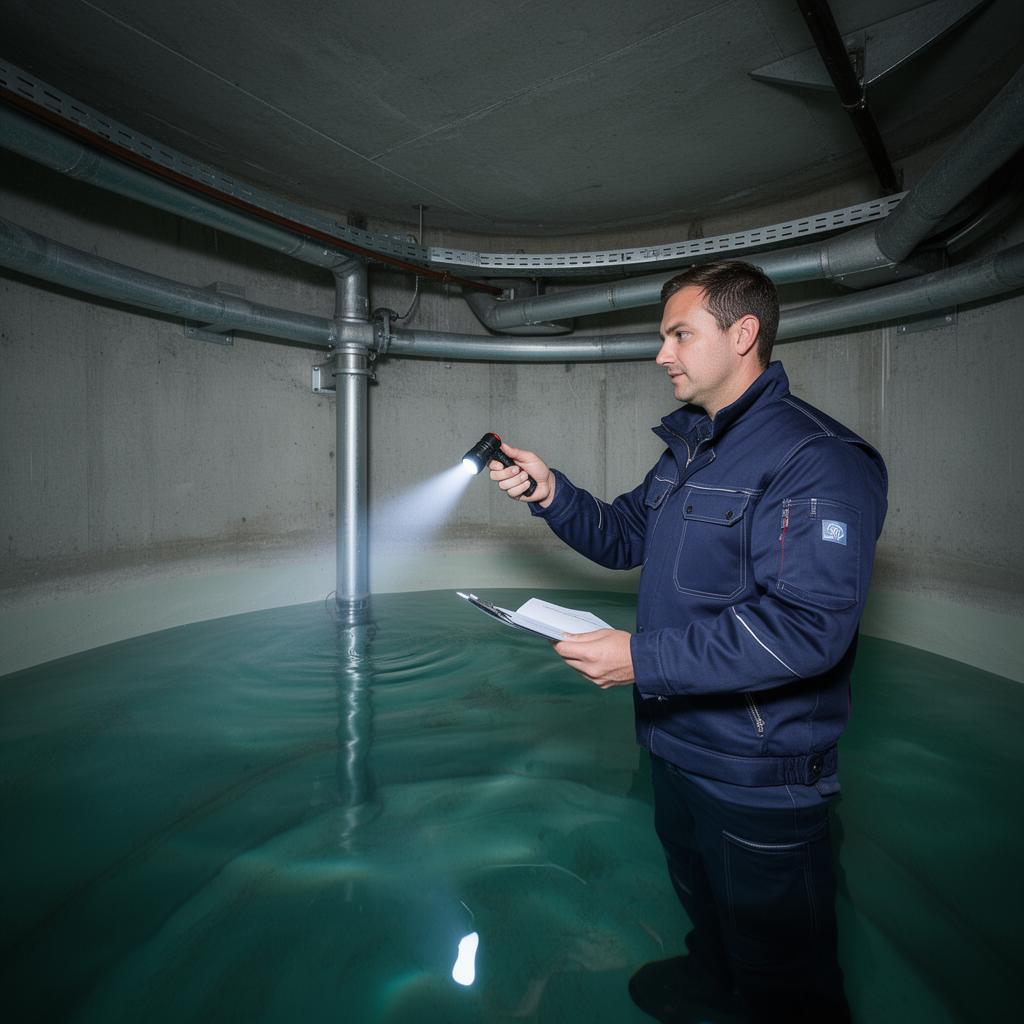
In our work managing water systems across 500+ UK sites, we frequently encounter buildings where cold water temperatures creep above 20°C during summer months—particularly in older buildings with poor insulation on pipework. One common mistake we see is buildings where dead legs (sections of pipework no longer in regular use) have not been removed, creating ideal conditions for legionella to multiply. Regular water compliance audits catch these issues before they become serious risks.
Related Reading
Frequently Asked Questions
What are the symptoms of Legionnaires' disease?
The initial symptoms are very similar to the flu and include a high temperature, feverishness, chills, a cough, muscle pains, and shortness of breath. It can progress to pneumonia, diarrhoea, and mental confusion.
Is Legionnaires' disease contagious?
No, Legionnaires' disease is not known to spread from person to person. It is contracted by inhaling contaminated water droplets (aerosols).
What temperature kills legionella bacteria?
Legionella bacteria are killed at temperatures above 60°C. Hot water should be stored above 60°C and distributed so that it reaches 50°C (or 55°C in healthcare premises) within one minute at the outlets.
Where does legionella bacteria come from?
Legionella pneumophila and related bacteria are widespread in natural water sources like rivers, lakes, and ponds. The real danger arises when bacteria enter purpose-built water systems maintained at temperatures between 20–45°C.
Conclusion
Understanding what legionella is—and how to control it—is a fundamental responsibility for anyone managing commercial, healthcare, or public sector buildings. Effective legionella control relies on strict temperature management, regular monitoring, and structured maintenance of water systems. Delta Force Group's Water Compliance services provide the expertise and governance to keep your water systems safe and compliant.
For a deeper understanding of your legal duties and how to conduct a compliant risk assessment, read our companion guide: Legionella Risk Assessment and Testing: An Employer's Guide.
Need expert support? Contact Delta Force Group to discuss your water compliance requirements, or explore our Hard FM services for a complete building maintenance solution.