
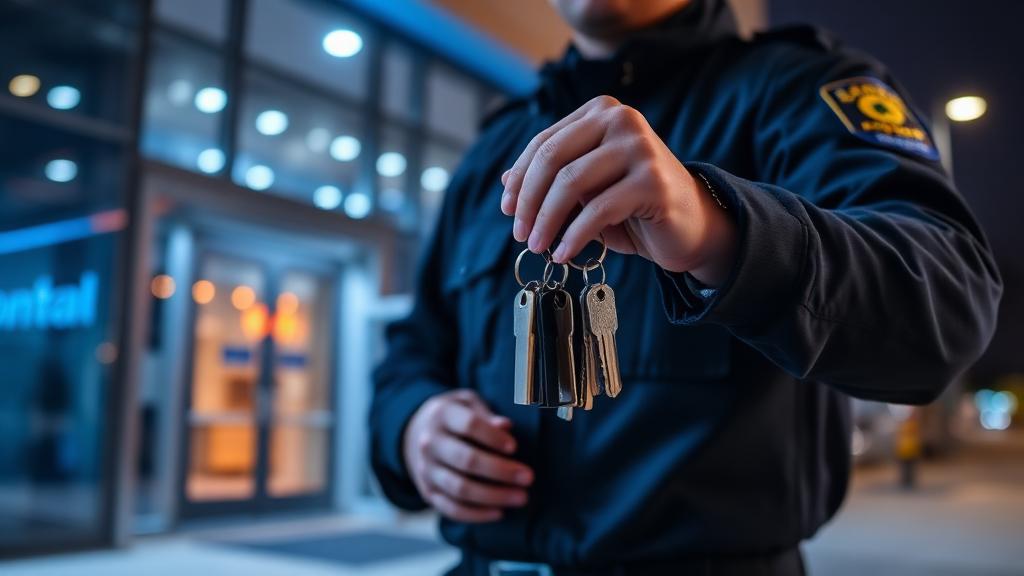
Security threats do not always follow a 9-to-5 schedule, and neither do your business needs. Whether you are managing a construction site, securing a vacant property, or dealing with an unexpected alarm system failure, an alarm activation out of hours can quickly become a stressful and risky situation.
Keyholding and Alarm Response is designed to remove that burden by ensuring a professional security team can attend your premises 24 hours a day, 7 days a week, investigate activations, and take the correct next steps to keep the site safe.
At Delta Force Group Ltd, we provide nationwide Keyholding & Alarm Response coverage across England, supported by live operational coverage mapped by postcode—so you can quickly check if your location is covered.
Key Takeaways
- ✓Keyholding means a professional security provider securely stores your keys and uses controlled procedures to access your premises when required.
- ✓Alarm response means trained response officers attend an alarm activation, investigate the cause, and take appropriate action to secure the premises.
- ✓In the UK, keyholding and response services are commonly aligned with BS 7984-1:2016 and security staff screening with BS 7858.
- ✓Security operatives carrying out licensable activity typically require the correct SIA licence.
1. What is Keyholding & Alarm Response?
Keyholding and Alarm Response is a professional security service where a security provider holds a secure set of your keys and responds to alarm activations or intruder alerts on your behalf—especially outside normal business hours.
Instead of waking up a manager or asking staff to attend at night, a trained response officer attends your premises, carries out checks, and follows a clear process to help secure the site.

2. What Keyholding Means (in Real Terms)
Keyholding is more than "someone holding keys." A proper keyholding service includes:
- •Secure off-site key storage
- •Controlled access procedures (authorised access only)
- •Clear escalation instructions (who to contact and when)
- •Attendance processes designed for out-of-hours situations
For many organisations, keyholding reduces operational disruption and helps avoid putting staff at risk by attending alarm activations late at night or early in the morning.
3. What is Alarm Response? (Step-by-Step)
Alarm response is the practical "what happens next" when your intruder alarm activates. A typical alarm response process looks like this:
Alarm signal received
A signal/notification is triggered (intruder, fault, or alert depending on your system setup).
Response officer dispatched
A trained response officer is deployed to attend the site.
Arrival & external checks
On arrival, the officer carries out external checks for signs of forced entry, damage, suspicious behaviour, or immediate risk.
Internal checks
If it is safe to do so and required, the officer accesses the premises using controlled keyholding procedures.
Correct action taken
This may include securing doors/windows, resetting the alarm, escalating to key contacts, or contacting emergency services.
Site secured before leaving
The officer ensures the premises is safe and secure before departure.
Report issued
An incident/attendance report is provided with photographic evidence so you have a clear audit trail.
4. What Happens When Officers Arrive on Site?
On-site actions can vary based on the alarm type, your building layout, and the risk level. However, professional alarm response typically focuses on:
- •Confirming whether the activation appears genuine or false
- •Checking entry/exit points (doors, shutters, windows, gates)
- •Assessing immediate safety risks
- •Protecting the premises and supporting appropriate escalation
This structured approach helps ensure security incidents are handled consistently and professionally—rather than improvising under pressure.
5. UK Standards, Licensing and Vetting Explained
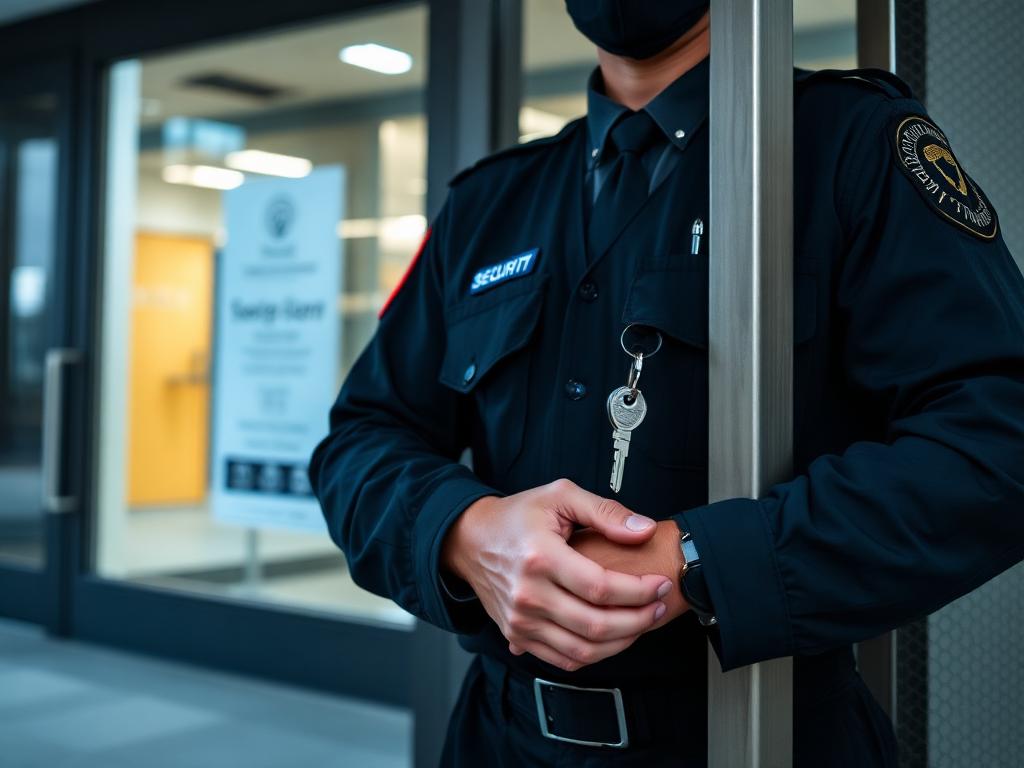
If you're choosing a keyholding provider, it's important to understand the UK frameworks that shape what "good" looks like.
BS 7984-1:2016 (Keyholding & Response Services)
BS 7984-1:2016 is a recognised British Standard for keyholding and response services. It sets out recommendations relating to how keyholding and response services should be managed and operated—including controls around staffing and procedures.
SIA Licensing (Security Industry Authority)
The Security Industry Authority (SIA) regulates the UK's private security industry. If someone is carrying out licensable security activity as part of a contract for services, they may need the correct front line SIA licence.
BS 7858 (Security Screening)
BS 7858 is a widely used British Standard that helps employers screen individuals working in secure environments. It supports better hiring decisions for roles where safety, property, and sensitive operations are involved.
Bottom line: ask your provider about their operational controls, training, licensing, and screening processes. The safest option is always a provider who can clearly demonstrate how they operate within recognised UK security frameworks. View our accreditations and certifications.
6. Why Businesses Outsource Keyholding
Outsourcing keyholding is often chosen for practical, safety, and compliance reasons. If you're often away—travelling or on holiday—our dedicated guide explains how keyholding works when you're abroad or on holiday, so you can have peace of mind without being in the country.
Other common reasons include:
- ✓Staff safety: reduces the risk of sending employees into potentially dangerous situations
- ✓Faster, consistent response: professional responders follow a defined process
- ✓Business continuity: avoids downtime and disruption when incidents occur out of hours
- ✓Clear accountability: reports and audit trails help you understand what happened and what was done
- ✓Scalable across multiple sites: especially useful for facilities teams managing many locations
7. Delta Force Group Nationwide Coverage
Delta Force Group provides nationwide Keyholding & Alarm Response coverage across England, supported by live operational coverage mapped by postcode.
If you want to confirm your location is covered, use our postcode checker:
8. Services That Work Alongside Keyholding
Many clients combine keyholding and alarm response with other services for stronger site protection, including:
- •Lock & Unlock services — for opening/closing routines and contractor access
- •Mobile patrols — deterrence + scheduled checks
- •Manned guarding — static guarding for higher-risk sites
- •Vacant property inspections — where unoccupied buildings require regular inspection and security
- •Ad-hoc security cover — temporary or urgent requirements
This layered approach is often the most effective way to reduce risk and improve response outcomes across different site types.
9. Keyholding Readiness Checklist
Use this checklist internally before onboarding keyholding and alarm response:
- 1Confirm your full address and site access instructions (gates, key safes, entry routes).
- 2Provide 2 key contacts (primary + backup) with mobile numbers.
- 3List alarm types and your preferred escalation rules (e.g., intruder vs fire alarm).
- 4Confirm any restricted areas (plant rooms, IT rooms, controlled storage).
- 5Provide set opening/closing hours and any special access windows for contractors.
- 6Confirm whether internal access is permitted for activations (and under what conditions).
- 7Share any known hazards (construction works, dogs on site, unsafe zones).
- 8Confirm if you require photos in reports (where relevant) and who receives the report.
- 9Provide a basic site layout or access notes (where key panels and main shut-offs are located).
- 10Confirm how you want incidents recorded (email reporting, portal, or both).
10. Frequently Asked Questions
What is keyholding in security services?
Keyholding is a professional security service where a licensed provider securely stores a set of your premises' keys and attends alarm activations or call-outs on your behalf. This ensures a rapid, regulated response without your staff needing to attend out of hours.
How does an alarm response service work?
Alarm response means that when your alarm system signals an activation, trained response officers are dispatched to attend your site. They investigate the cause, carry out appropriate checks, secure the premises if needed, and issue a full digital report.
Is Delta Force Group's keyholding service available nationwide?
Yes — Delta Force Group Ltd offers nationwide keyholding and alarm response coverage across England. You can check live operational coverage with our postcode checker.
What standards do keyholding and alarm response services follow in the UK?
In the UK, reputable keyholding and alarm response services align with recognised industry standards such as BS 7984-1:2016 (Keyholding and Response Services Guidance), BS 7858 (Security Screening/Vetting Standard), and Security Industry Authority (SIA) Licensing for front-line response operatives.
Do response officers need an SIA licence?
Yes — if they are carrying out licensable security activities (e.g., responding to intruder alarms, access control, fixed responses), they typically require a valid SIA licence as regulated by the UK Security Industry Authority.
What happens when a response officer arrives at my site?
Upon arrival, the response officer will check externally for signs of intrusion or damage, carry out internal checks where safe and appropriate, determine whether the alarm activation is false or genuine, take necessary action (e.g., securing the site, contacting emergency services), leave the premises safe and secure, and provide a detailed digital report after attendance.
Is keyholding suitable for businesses with multiple locations?
Yes — keyholding and alarm response is ideal for multi-site organisations. It provides consistent procedures, centralised control, and professional attendance without depending on individual staff members at each location.
What is the difference between keyholding and alarm monitoring?
Alarm monitoring refers to a control room receiving alarm signals and alerting the relevant party. Keyholding goes further — trained security officers hold your keys and will physically attend the site after an activation.
Can false alarms still trigger a response?
Yes — even if an activation turns out to be false, trained officers will attend, investigate, and confirm the cause. This protects your site and ensures there is a clear audit trail for each attendance.
What additional services can complement keyholding?
Delta Force Group offers complementary security services including Lock & Unlock services, Mobile patrols, Manned guarding, Vacant property inspections, and Ad-hoc security cover. These can be combined with keyholding to tailor a broader security strategy.
A Safer Way to Manage Out-of-Hours Alarms
Keyholding and alarm response is one of the most practical ways to protect people and property when your premises is vulnerable—outside normal operating hours. It reduces risk, standardises response, and helps ensure incidents are handled professionally.
Delta Force Group combines experienced personnel with robust performance management to deliver secure, compliant outcomes for sectors ranging from Healthcare and Education to Industrial Logistics.