
This article is for business owners, facilities managers, and property owners who use or are considering keyholding and want to know how it works when they're away. When you're abroad, on holiday or travelling, keyholding and alarm response work exactly as they do at home. Your alarm signals an alarm receiving centre (ARC), your keyholding provider is notified, and a trained response officer is dispatched to attend your premises—often within 20 minutes—to carry out checks, secure the site if needed, and send you or your nominated contact a full report. You do not need to be in the UK for this to happen, so your site is still covered when you're not there.
Whether you're on a short break or a long business trip, having a professional keyholding service when you're away means your premises are still protected 24/7, 365 days a year. At Delta Force Group Ltd, we provide nationwide keyholding and alarm response; you can check if your postcode is covered and read our full Keyholding & Alarm Response guide for more detail.
Key Takeaways
- ✓Keyholding when abroad or on holiday works the same as at any other time: the ARC alerts your provider, and a response officer attends and reports.
- ✓You do not need to be in the UK or contactable for attendance and reporting to happen.
- ✓Before you travel, ensure key contacts and access details are up to date with your keyholding provider.
- ✓Reports can go to you or a nominated contact so someone is always informed, even when you're offline.
1. How Keyholding Works When You're Away
Keyholding on holiday or keyholding when abroad doesn't require you to do anything different. The process is the same 24/7 and follows a clear 5-step sequence:
- Your intruder alarm (or other monitored system) sends a signal to an alarm receiving centre (ARC).
- The ARC notifies your keyholding and alarm response provider.
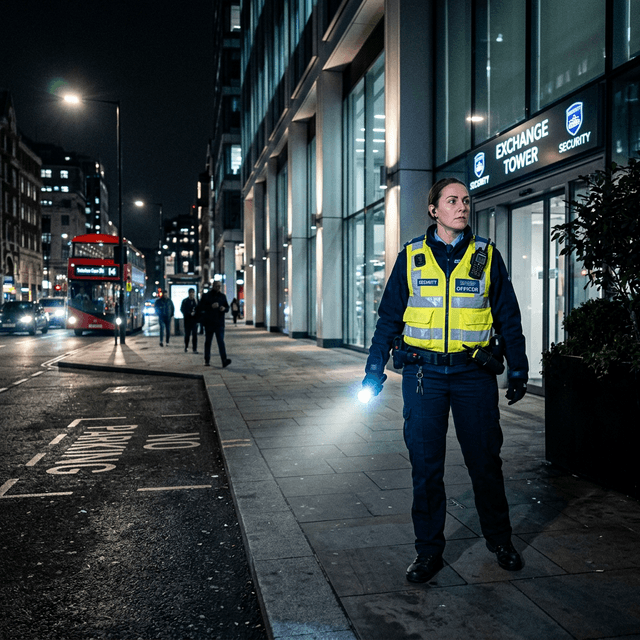
- A trained, SIA-licensed response officer is dispatched to your premises (many providers aim for attendance within 20 minutes).
- The officer attends, carries out external and—where safe—internal checks, secures the site, and completes an incident report.
- A digital report (often with photos) is sent to your nominated key contacts.
You don't need to be in the country, answer the phone, or be online. With alarm response when travelling, your property is covered by a professional team regardless of where you are. For a full step-by-step of the alarm response process, see our Keyholding & Alarm Response guide.
2. What to Set Up Before You Go
So that keyholding when you're away runs smoothly, make sure your provider has:
- •Primary and backup key contacts (names, mobile numbers, email) who can receive reports and be reached if needed
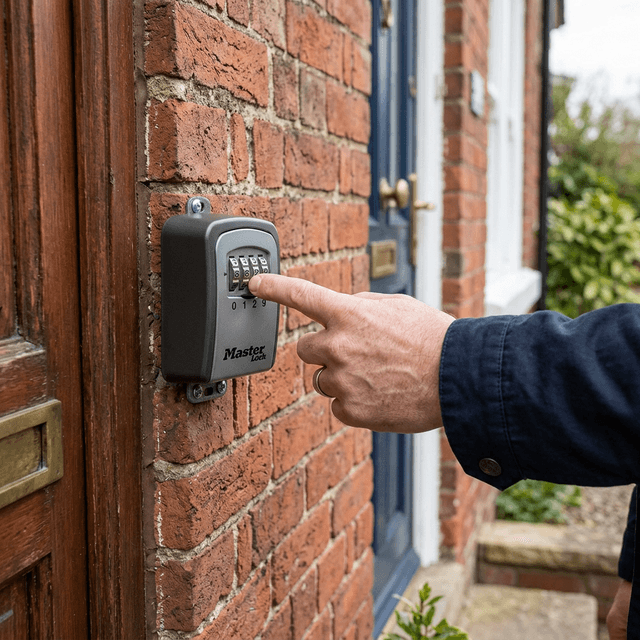
- •Up-to-date access instructions (key safe code, gate codes, entry routes)
- •Any escalation preferences (e.g. when to call police, when to contact a specific person)
- •Confirmation of who holds keys and that keys are in the correct key safe or location
Pre-travel checklist
- ✓ Primary and backup contacts updated with your keyholding provider
- ✓ Access details confirmed (key safe code, gate codes)
- ✓ Escalation preferences agreed (e.g. when to call police)
- ✓ Keys confirmed in correct location; provider has current alarm/keyholder details
If you've recently changed your alarm system, keyholder, or contact details, inform your provider before you travel. For vacant or unoccupied properties, you may also use vacant property inspections alongside keyholding for extra assurance.
3. Who Responds and What You Receive
Response is carried out by your keyholding provider's own staff—trained, vetted officers who work to agreed procedures (in the UK, often aligned with standards such as BS 7984-1:2016 for keyholding and response). You receive a report that typically includes:
- •Time of activation and time of attendance
- •Findings (e.g. cause of activation, any damage or signs of intrusion)
- •Actions taken (e.g. securing doors, resetting alarm, contacting police)
- •Photographic evidence where relevant
| Scenario | Who responds | What you receive |
|---|---|---|
| Alarm while you're on holiday | Your keyholding provider's response officer | Digital report (and/or your nominated contact) |
| Alarm during a business trip | Same 24/7 keyholding team | Report to primary/backup contact; no need for you to be contactable |
| Alarm while abroad (any time) | Dispatched officer; attendance typically within 20 minutes | Full incident report with photos, sent to your chosen contacts |
Reports are sent to the contacts you've given the provider, so when you're on holiday or abroad, your backup contact can still be informed and take any necessary follow-up action.
4. Why Keyholding When You're Away Helps
With keyholding when you're away, you don't have to cut trips short or worry about who will attend if an alarm goes off. It also:
- ✓Keeps a consistent, professional response 24/7 regardless of your location
- ✓Reduces the need to send staff to site at night or while you're abroad
- ✓Provides a clear audit trail and report for insurers or management
- ✓Supports business continuity—someone is always designated to be informed and act if needed
Delta Force Group provides nationwide keyholding and alarm response across England. To confirm your location is covered, use our postcode checker. For full details on how keyholding and alarm response work, standards, and how we operate, read our Keyholding & Alarm Response guide.
5. Frequently Asked Questions
Do I need to be in the UK for keyholding to work?
No. Keyholding and alarm response work 24/7 regardless of your location. When your alarm activates, the alarm receiving centre (ARC) alerts your keyholding provider, who dispatches a response officer to attend your premises. You do not need to be in the country—or even contactable—for the attendance and reporting to happen.
What happens if my alarm goes off while I'm on holiday or abroad?
The same process as at any other time: the alarm signal goes to the ARC, your keyholding provider is notified, and a trained response officer is sent to your site. They attend, carry out checks, secure the premises if needed, and produce a digital report. You can receive the report by email or via your usual contact; many providers send it to your key contacts so someone is informed even if you are offline.
Who gets the incident report when I'm travelling?
You specify this when you set up keyholding. Typically you nominate a primary and backup contact (with mobile numbers and email). Reports are sent to those contacts so that even when you're away, someone authorised can be informed and take any follow-up action. Delta Force Group sends digital reports with photographic evidence to your chosen contacts.
Can I use keyholding just for a one-off holiday or business trip?
Many providers, including Delta Force Group, offer keyholding and alarm response on an ongoing contract basis so that coverage is in place whenever you're away. Short-term or ad-hoc arrangements may be available depending on your provider—it's worth asking if you only need cover for a specific period.
What should I set up before going abroad so keyholding works smoothly?
Confirm your keyholding provider has up-to-date key contacts (primary and backup), access instructions (e.g. key safe code, gate codes), and any escalation preferences. Ensure someone can be reached in the UK if the provider needs to escalate. If you've recently changed alarm or keyholder details, inform the provider before you travel.
Keyholding When You're Abroad: No Need to Be There
Keyholding when you're abroad, on holiday or travelling works because the service runs without you. Your alarm triggers, your keyholding provider attends, secures the premises, and reports to you or your nominated contact. Once set up, you can be away knowing your property is still covered 24/7.