
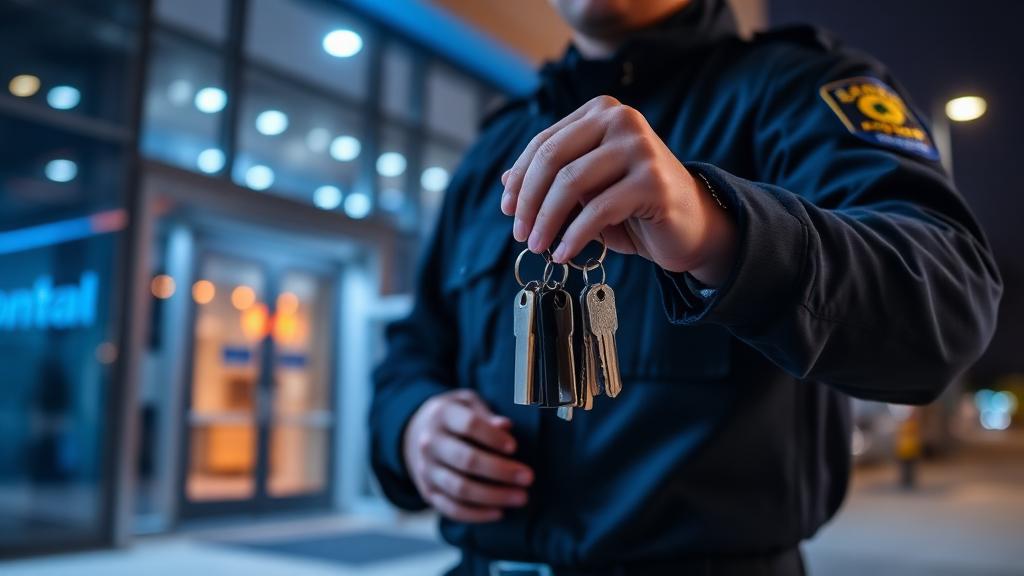
This article is for business owners, facilities managers, and anyone responsible for premises security. Key holding mistakes—from lost keys and slow response times to sending untrained staff to alarm call-outs—put your assets, compliance, and people at risk. In the UK, professional keyholding and alarm response is governed by standards such as BS 7984-1:2016; getting it wrong can mean invalidated insurance, failed audits, or worse. Here are 5 key holding mistakes that put your business at risk, and how to fix them with secure keyholding services.
Mistakes in how you manage keys and alarm response don't just cause inconvenience—they create real exposure. According to the National Security Inspectorate (NSI), many false alarms and delayed responses stem from poor keyholder arrangements and unclear procedures. Addressing these five areas will help you close the gap between your current setup and a compliant, low-risk approach—and we'll point you to Delta Force Group's secure keyholding and alarm response so you can act on it.
Key Takeaways
- ✓Lost or unaccounted keys create security and liability risks—use a single, audited keyholder provider with secure key handling.
- ✓Slow response times (beyond ~20 minutes) increase damage and can breach insurer/NSI expectations—choose a provider with 24/7 coverage and clear response targets.
- ✓Putting staff in danger by sending untrained people to alarm call-outs is a serious duty-of-care failure—use SIA-licensed, trained response officers.
- ✓No 24/7 cover or a single point of failure leaves you exposed when the one keyholder is unavailable—rely on a professional team, not one person.
- ✓Poor documentation and no audit trail weaken insurance and compliance—use a provider that delivers consistent, digital incident reports.
1. Lost or unaccounted keys
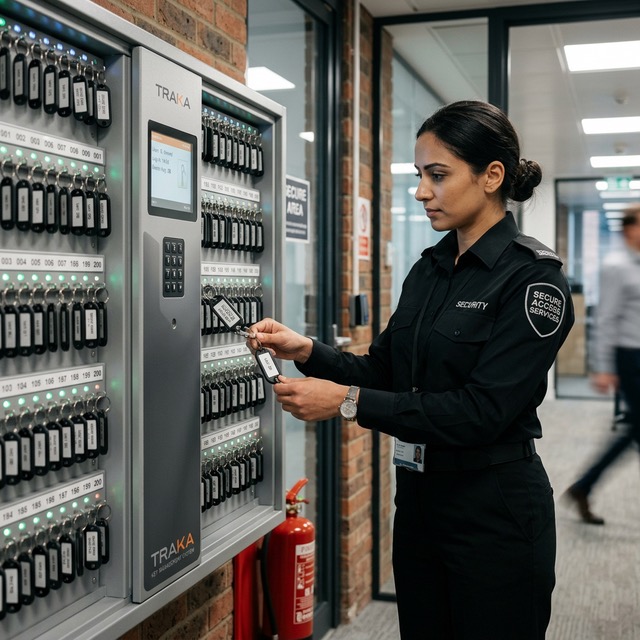
One of the most serious key holding mistakes is losing track of who holds keys or where they are stored. Keys in the hands of ex-employees, multiple copies with no register, or keys left in unsecured locations create obvious security and liability risks. If keys are lost or duplicated without control, you may need to change locks and re-issue keyholder details to your alarm receiving centre (ARC)—and your insurer will want to see that keyholding is managed properly.
Fix: Use a single, professional keyholding provider that holds keys in a controlled way, with a clear chain of custody and no reliance on ad-hoc staff or personal key safes that aren't audited. Delta Force Group holds keys securely as part of our keyholding and alarm response service, with procedures aligned to UK standards so you have one accountable partner.
2. Slow or unreliable response times
When an alarm activates, every minute counts. Slow response times—whether because the keyholder is off duty, too far away, or simply not prioritising attendance—extend the window for theft, vandalism, or fire spread. Many insurers and NSI/SSAIB codes expect keyholder attendance within around 20 minutes of notification—a target that helps limit the window for theft or damage (typically under 20 minutes from ARC alert to site arrival). Consistently missing that target can affect your policy conditions and leave you exposed.
Fix: Choose a keyholding provider that offers genuine 24/7 coverage with dedicated response officers and clear attendance targets. Delta Force Group provides nationwide keyholding and alarm response with the aim of attending within this timeframe where geography allows; you can check if your postcode is covered.
3. Putting staff in danger
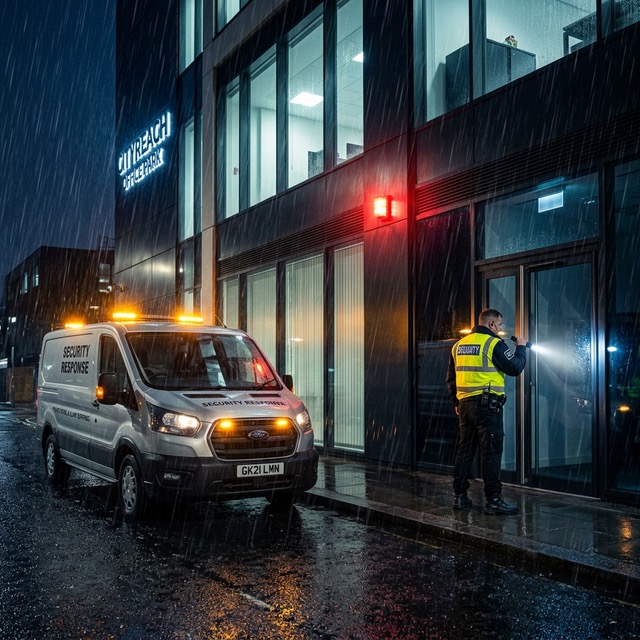
Sending untrained staff—or yourself—to attend alarm call-outs is a critical key holding mistake that can put people in danger. Alarm activations may be false alarms, but they can also indicate intruders, fire, or other hazards. Staff who are not trained in alarm response, conflict management, or site safety should not be expected to attend alone. As an employer or duty holder, you have a duty of care; sending unqualified people to unknown situations can lead to harm and serious liability.
Fix: Use SIA-licensed, trained response officers who work to agreed procedures (such as those aligned with BS 7984-1:2016). Delta Force Group deploys vetted, SIA-licensed officers for keyholding and alarm response so that attendance is carried out by people trained for the role—not your office staff or directors.
4. No 24/7 cover or single point of failure
Relying on one person—often a manager or employee—as the only keyholder creates a single point of failure. When that person is on holiday, ill, or simply unreachable, your alarm may go unanswered or your ARC may escalate without a proper keyholder. That can mean delayed response, call-outs to emergency services by default, and unhappy insurers or auditors who expect continuous keyholder cover.
Fix: Contract a professional keyholding service that operates 24/7, 365 days a year, with a team of response officers so that cover is never dependent on one individual. Delta Force Group's keyholding and alarm response is built on this model—your premises are covered regardless of your or your staff's availability.
5. No audit trail or poor documentation
When something goes wrong—a break-in, a false alarm, or an insurance claim—you need a clear record of who attended, when, and what was found. Poor documentation or no formal incident reports make it harder to satisfy insurers, demonstrate compliance, or learn from events. Many standards and insurer requirements expect keyholder attendance to be logged and reportable.
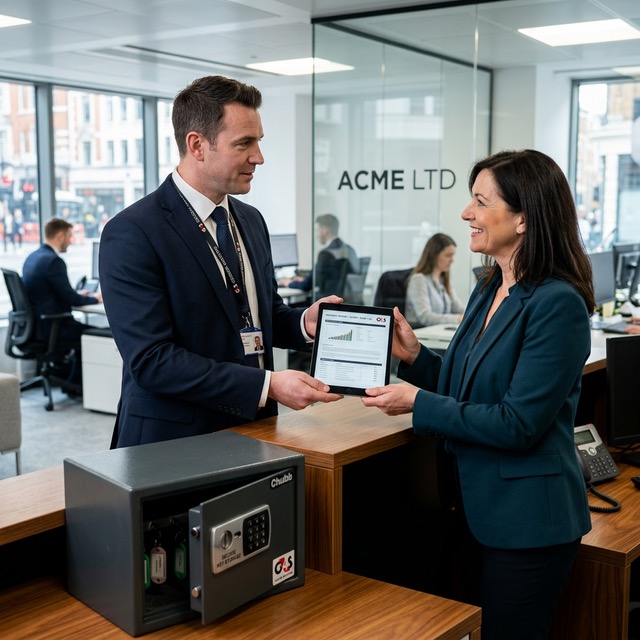
Fix: Use a keyholding provider that delivers consistent, digital incident reports—including time of activation, time of attendance, findings, and actions taken. Delta Force Group supplies detailed reports to your nominated contacts so you have an audit trail for every alarm response.
From mistakes to solution: secure keyholding services
Avoiding these key holding mistakes means moving from ad-hoc or in-house arrangements to a dedicated, compliant keyholding and alarm response service. A professional provider should:
| Mistake | Fix |
|---|---|
| Lost or unaccounted keys | Single professional keyholder with secure key handling and audited procedures |
| Slow or unreliable response times | 24/7 keyholding with clear attendance targets (e.g. within 20 minutes) |
| Putting staff in danger | SIA-licensed, trained response officers (BS 7984-1 aligned) |
| No 24/7 cover or single point of failure | Professional team so cover never depends on one person |
| No audit trail or poor documentation | Digital incident reports to nominated contacts every time |
In practice, that means a provider should:
- ✓Hold keys securely with clear procedures and no single point of failure
- ✓Offer 24/7 attendance with response targets (e.g. within 20 minutes where feasible)
- ✓Use SIA-licensed, trained response officers in line with BS 7984-1
- ✓Deliver digital incident reports to you or your nominated contacts
- ✓Operate across your area so you can rely on one partner nationwide
Delta Force Group provides secure keyholding and alarm response across England with SIA-licensed officers, procedures aligned to UK standards, and full reporting. Whether you're replacing an unreliable keyholder or setting up keyholding for the first time, we bridge the gap between the risks above and a compliant, low-friction setup.
Next steps
- • Check your postcode to see if Delta Force Group covers your area.
- • Read our Keyholding & Alarm Response guide for how the service works and what standards apply.
- • Get in touch to discuss your keyholding and alarm response requirements.
Frequently asked questions
What are the risks of poor keyholding for my business?
Poor keyholding exposes your business to lost or duplicated keys, slow or failed alarm response, staff being put in danger when attending call-outs, compliance gaps with insurers and standards like BS 7984-1, and no reliable audit trail. Any of these can lead to theft, vandalism, invalidated insurance, or harm to people.
What is keyholding and alarm response?
Keyholding is a service where a professional security provider holds keys to your premises and attends when your alarm activates. Alarm response is the trained, timely attendance to investigate, secure the site, and report. Together they ensure someone vetted and qualified responds 24/7 instead of you or your staff.
How quickly should a keyholder respond to an alarm?
Industry good practice and many insurer and NSI requirements expect keyholder attendance within 20 minutes of being notified. Slow response increases the window for theft or damage and can affect insurance and compliance. Delta Force Group aims for attendance within this timeframe where geographically feasible.
Who can provide keyholding services in the UK?
Keyholding and alarm response should be provided by a professional security company with SIA-licensed staff, procedures aligned to BS 7984-1 (keyholding) and BS 8243 (alarm systems), and 24/7 coverage. Delta Force Group is an SIA Approved Contractor offering nationwide keyholding and alarm response; you can check postcode coverage on our website.
What standards apply to keyholding in the UK?
Keyholding and response are guided by BS 7984-1:2016 (keyholding and response services) and BS 8243 (installation and configuration of intruder and hold-up alarm systems). NSI and SSAIB approved companies follow codes of practice that reference these. Using a compliant provider helps meet insurer and auditor expectations.
Stop the key holding mistakes—get secure keyholding
The five key holding mistakes outlined here—lost keys, slow response, putting staff in danger, single point of failure, and poor documentation—are all addressable with a professional keyholding and alarm response service. Delta Force Group offers secure keyholding nationwide so you can close these gaps and meet insurer and standards expectations.