
Not every burglar alarm gets a police response. In the UK, only monitored intruder alarm systems that meet specific technical and installation standards can be registered for a police Unique Reference Number (URN). Without that URN, your alarm activation joins the queue of ordinary 999 calls, with no guarantee of priority attendance.
This guide explains how police response alarms work in the UK, the difference between Grade 2 and Grade 3 systems, the role of NSI and SSAIB accreditation, and the exact steps to obtain a URN for a commercial property.
Key Takeaways
- ✓Only NSI or SSAIB-accredited installers can certify a system for a police URN.
- ✓Commercial premises usually need Grade 2 (standard risk) or Grade 3 (higher risk) intruder alarm systems.
- ✓A Unique Reference Number (URN) is the police identifier that makes your confirmed alarm a priority response.
- ✓Repeat false alarms can cause the police to withdraw or downgrade your response under NPCC policy.
1. What Police Response Alarms Are — And Are Not
A police response alarm is a monitored intruder alarm system that has been certified, registered and is maintained to a standard that makes it eligible for a police priority response. It is not simply a loud bell box, a self-monitored smartphone app, or a CCTV camera that sends you motion alerts.
The key difference is the URN. When an alarm receiving centre (ARC) receives a confirmed activation from a URN-registered system, the call to the police is routed with a specific police identifier. That identifier tells the control room the alarm has been verified and meets national standards, so it qualifies for a higher-priority response than a routine call.
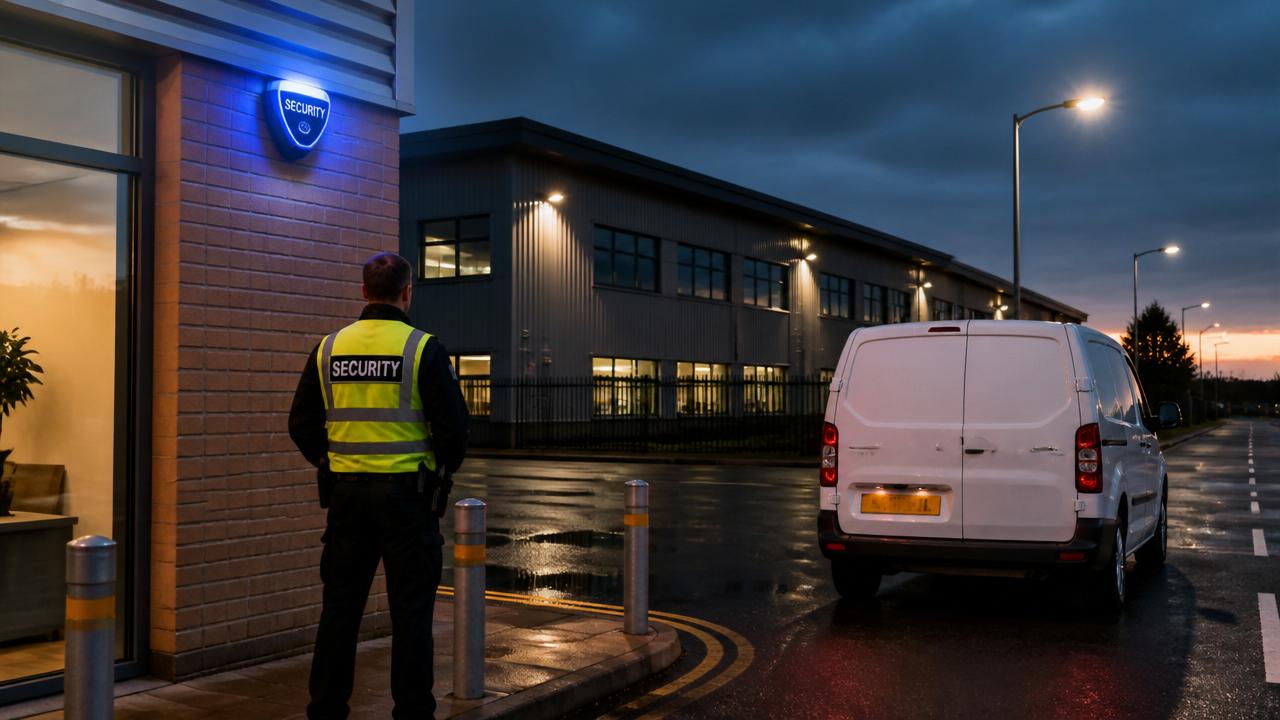
2. Grade 2 vs Grade 3 Intruder Alarms
UK intruder alarm systems are graded under EN 50131 and installed in line with PD 6662. The grade reflects the level of risk the system is designed to resist. For most commercial properties, the choice is between Grade 2 and Grade 3.
| Grade | Risk level | Typical use | Key features |
|---|---|---|---|
| Grade 1 | Low | Residential low-risk | Basic detection, suitable for low-value assets |
| Grade 2 | Standard | Most commercial offices, shops, warehouses | Vibration/tamper resistance, standard signalling, more detector coverage |
| Grade 3 | High | Banks, jewellers, high-value stock, high-threat sites | Advanced tamper protection, dual-path signalling, often internal and perimeter detection |
| Grade 4 | Very high | Critical infrastructure, high-security sites | Highest resistance, supervised components, very high detection density |
For most UK commercial properties, Grade 2 is the baseline. If you hold high-value stock, cash, sensitive data or operate in a high-crime area, insurers or your risk assessment may require Grade 3. The grade must be chosen as part of a formal risk assessment — not simply by picking the cheapest option.
3. The URN: Unique Reference Number Explained
The Unique Reference Number (URN) is the link between your alarm system and the police. It is issued by the police force for the area where your premises is located, but only after the system has been installed and certified by an NSI or SSAIB-recognised company.
Think of the URN as a registration plate for your alarm. It tells the police:
- •The system meets the required technical grade
- •It is monitored by an accredited alarm receiving centre
- •It is maintained by an approved installer
- •It has been registered for police response in that force area
Without a URN, your alarm can still sound and still alert an ARC, but the police will not treat it as a verified priority response. If you are paying for monitoring, make sure the purpose is clear: monitored does not automatically mean police response.
4. NSI and SSAIB Accreditation
Two UK accreditation bodies are recognised by the police for alarm systems: the National Security Inspectorate (NSI) and SSAIB (Security Systems and Alarms Inspection Board). Both audit installers, monitoring centres and maintenance companies against British and European standards.
When you choose an installer, ask for evidence of:
- •NSI Gold or SSAIB certification for intruder alarm installation
- •NSI or SSAIB approval for the monitoring centre (ARC)
- •Certificate of compliance for PD 6662 / EN 50131
- •Evidence that they can apply for the URN on your behalf
Using a non-accredited installer may save money upfront, but it almost always prevents you from obtaining a URN. That means no police response, and potentially invalid insurance cover.
5. How to Qualify for Police Response
The process for commercial premises is straightforward, but every step must be documented:
Risk assessment
The installer assesses your premises, assets, threats and insurer requirements to recommend the correct grade (usually Grade 2 or Grade 3).
System design
A design is produced showing detector locations, signalling paths, power supply, tamper protection and ARC connectivity.
Installation
The system is installed to PD 6662 / EN 50131 by an NSI or SSAIB-accredited engineer.
Commissioning and certificate
The system is tested, commissioned, and a certificate of compliance is issued.
ARC registration
The alarm is connected to an accredited alarm receiving centre that can process police URN applications.
URN application
The installer or ARC applies to the local police force for the URN. Once issued, police response is live.
6. Installation and Maintenance Requirements
Police response status is not a one-time event. It depends on ongoing compliance:
- •Annual maintenance by an NSI or SSAIB-accredited company
- •Annual testing of detectors, signalling and backup batteries
- •ARC connection must remain active and not be downgraded
- •Any system changes or upgrades must be certified by an accredited installer
- •User instructions must be kept up to date to avoid operator-caused false alarms
Letting maintenance lapse can invalidate the URN without warning. Many insurers also require evidence of annual maintenance to keep theft or damage cover valid.
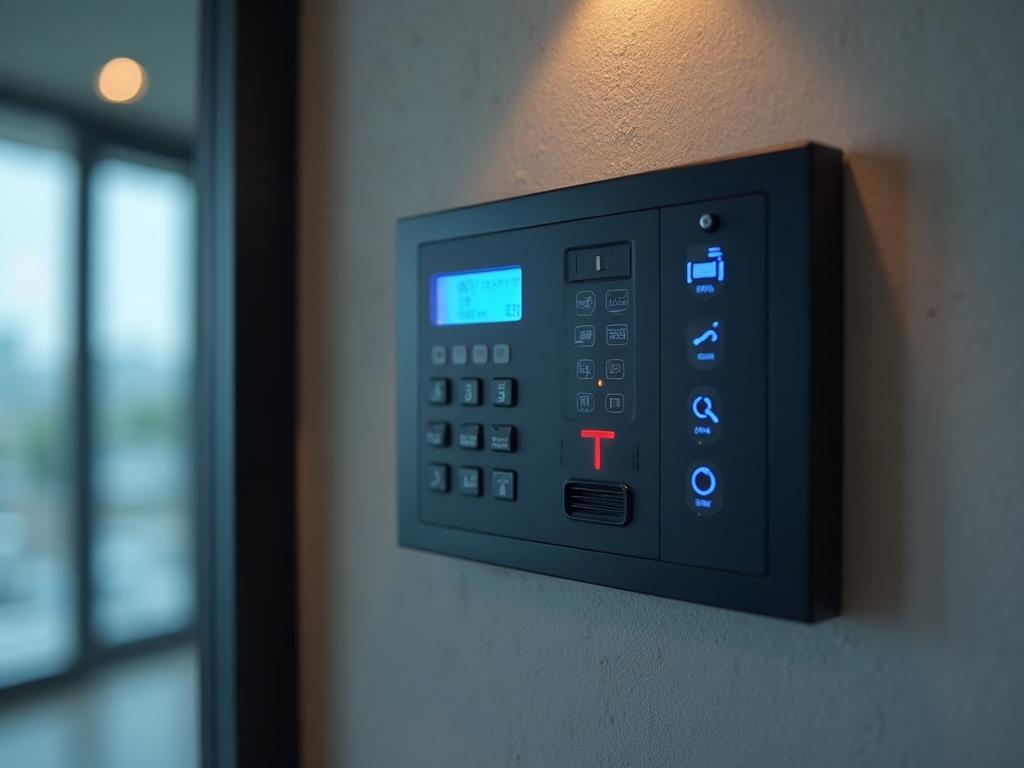
7. What Happens When the Alarm Activates
When a police response alarm activates, the sequence is deliberate and controlled:
Detection
A detector is triggered — movement, door contact, glass break or panic button.
Signalling to the ARC
The signal is sent via single-path or dual-path communication to the alarm receiving centre.
ARC verification
The ARC operator checks for false-alarm indicators and may use audio or video verification where available.
Police escalation
For confirmed activations with a valid URN, the ARC calls the police quoting the URN and the premises details.
Keyholder notification
Your nominated keyholders or professional alarm response service are also contacted to attend the site.
Attendance and reset
A keyholder or response officer secures the site and resets the alarm once the police have finished.
Having a professional alarm response and keyholding service ensures the site is attended even when police response is delayed or not available. Delta Force Group provides a 20-minute response target across covered postcodes.
8. False Alarms and Police Withdrawal Policy
The NPCC Security Systems Policy is clear: police response is a privilege, not a right. Forces track false alarms by URN. If a system generates too many false activations within a rolling 12-month period, the police may:
- •Issue a warning to the owner and installer
- •Downgrade response to a lower priority
- •Withdraw the URN completely, leaving the alarm with no police response
Common causes of false alarms include poor detector positioning, unsecured doors and windows, pets or wildlife, and users who are not trained on the alarm. A well-maintained system and good user training are the best ways to protect your URN.
9. Do You Need a Police Response Alarm?
You should consider a police response alarm if:
- •Your premises is unoccupied for extended periods, especially overnight or at weekends
- •You hold high-value stock, equipment, cash or data
- •Your insurer or lease requires a monitored alarm system
- •You have experienced previous break-ins or attempted break-ins
- •Your site is in a location where police response to a non-priority call may be slow
Police response is only one layer of protection. It works best when combined with physical security, access control, CCTV, and a professional response service. Read our related guide on alarm response services explained to see how the two work together.
Need Help With a Police Response Alarm System?
Delta Force Group designs, installs and maintains intruder alarm systems for commercial properties across the UK. We work with NSI and SSAIB-accredited partners to ensure your system meets the grade your premises and insurer require, and we provide the alarm response and keyholding service to back it up.
Frequently Asked Questions
What is a police response alarm system?
A police response alarm system is a monitored intruder alarm installed to recognised standards (Grade 2 or Grade 3) and registered with a police URN (Unique Reference Number). When the alarm receiving centre (ARC) confirms a genuine activation, the police treat it as a priority response rather than a routine 999 call.
What is a URN and why do I need one?
URN stands for Unique Reference Number. It is the police identifier that proves your alarm system has been installed, maintained and monitored by an accredited company (NSI or SSAIB). Without a valid URN, police will not give your alarm activation priority response.
What is the difference between Grade 2 and Grade 3 intruder alarms?
Grade 2 systems are designed for lower-risk commercial and residential premises with standard levels of protection. Grade 3 systems are for higher-risk premises where there is a greater threat of intruders with advanced knowledge, tools or experience. Grade 3 requires more detectors, more tamper protection, and usually dual-path signalling.
Can any alarm company install a police response alarm?
No. Only alarm companies recognised by the National Security Inspectorate (NSI) or SSAIB can install and maintain systems that qualify for a URN. The installer must also be approved to issue the certificate the police need to register the URN.
How do I get a police response alarm URN?
Your NSI or SSAIB-accredited installer designs the system, installs it to PD 6662 / EN 50131 standards, connects it to an accredited alarm receiving centre, and issues a certificate of compliance. The ARC or installer then applies to the police for the URN. Once issued, the police will respond to confirmed activations.
Can I lose police response to my alarm?
Yes. Under the NPCC Security Systems Policy, police response can be withdrawn if your system generates repeated false alarms, is not maintained annually by an accredited company, or if your URN is cancelled. Most police forces allow a limited number of false calls within a 12-month period before downgrading or removing response.
Do police response alarms work for all commercial properties?
Police response is available for most commercial properties, but the premises must be assessed for risk and the correct grade chosen. Some very low-risk properties may not justify police response, while high-risk sites may need Grade 3 or Grade 4 with additional detection and signalling.
How much does a police response alarm cost?
A commercial police response alarm typically costs from £1,200–£3,000+ to install, depending on the size of the premises and the grade. Monitoring, maintenance and ARC charges are usually £30–£70 per month. The cost of not having one — a break-in with no police response — is usually far higher.
For a deeper look at the service layer behind a police response alarm, see our guides on key holding services and alarm response services. Together they give you a complete picture of how to protect a commercial property when the alarm goes off.