
Mobile patrol security is one of the most cost-effective ways to protect a UK commercial property out of hours. Instead of paying for a static guard 24/7, a marked patrol vehicle visits your site at scheduled and random times, conducts internal and external checks, and responds to anything that looks wrong.
This guide explains how mobile patrols actually work in the UK, what good service looks like, what they cost, and how to choose a provider that does more than tick a box. Delta Force Group operates nationwide mobile security patrols backed by GPS proof of attendance and digital reporting.
Key Takeaways
- ✓Mobile patrols deliver visible deterrence at a fraction of static-guarding cost by sharing officer time across a route of sites.
- ✓Every patrol officer must hold a valid SIA front line licence and good providers vet staff to BS 7858.
- ✓Look for GPS, NFC or QR check-in at multiple points so every visit is timestamped and audit-ready.
- ✓Best results come when patrols are combined with keyholding and alarm response on the same contract.
1. What is Mobile Patrol Security?
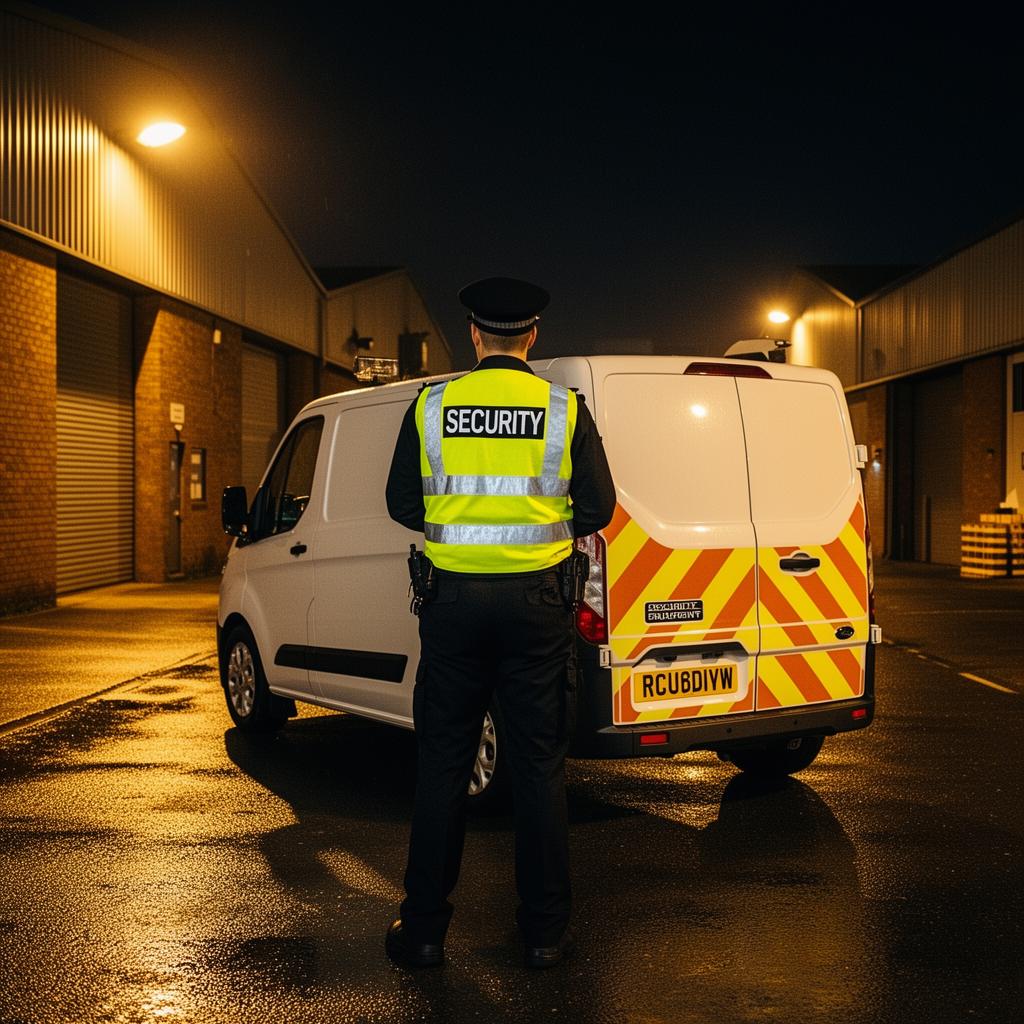
Mobile patrol security is a regulated service where SIA-licensed officers visit a property in a patrol vehicle at agreed times — sometimes scheduled, often deliberately random — to deter, detect and report any security or safety issue. The officer parks, walks the perimeter, checks doors, windows, shutters, fencing and key risk points, then logs the visit electronically before moving on to the next site on the route.
Because one officer can cover multiple premises in a single shift, mobile patrols give you a professional security presence at a fraction of the cost of a dedicated static guard.
2. What a Mobile Patrol Officer Actually Does
A typical mobile patrol visit includes:
- •External perimeter walk: fences, gates, lighting, signs of forced entry
- •Door and window checks: shutters, locks, padlocks, vulnerable access points
- •Internal sweep where keys and authority allow
- •Plant and risk-area checks: water leaks, open valves, fire risks
- •Lock and unlock services at agreed times
- •Suspicious vehicle and persons reporting
- •Photographic evidence of any issues found
- •Digital report submitted before leaving site
3. Mobile Patrol vs Static Guarding
| Factor | Mobile Patrol | Static Guard |
|---|---|---|
| Coverage | Multiple visits per shift | Continuous presence |
| Cost | Low — shared across sites | High — dedicated officer |
| Best for | Lower-risk, vacant or out-of-hours sites | High-risk, public-facing or 24/7 sites |
| Deterrent | Visible vehicle, unpredictable timing | Permanent visible presence |
| Reporting | Per-visit digital reports | Continuous shift log |
4. How Much Do Mobile Patrols Cost in the UK?
Mobile patrol pricing in the UK varies significantly by region, route density and dwell time. Indicative ranges seen in the market include:
- •Per-visit: typically £15 to £35 per attendance for a short external check
- •Lock and unlock: commonly bundled at a per-event rate
- •Monthly retainer: often the most economic for daily visits across a year
- •Alarm response add-on: usually a fixed call-out fee per attendance
Compare against the cost of a single static officer at roughly £14 to £22 per hour — over a 12-hour overnight shift, mobile patrol nearly always wins for lower-risk premises.
5. Proof of Attendance: GPS, NFC and Digital Reports
The biggest weakness of old-school mobile patrols was that no one could prove a visit actually happened. Modern services solve this with electronic check-in technology — small NFC tags or QR codes placed at multiple points around your site that officers must scan in order. Each scan records who, where, and exactly when, and feeds into a digital report sent to the client.
Before signing any contract, ask the provider exactly what proof of attendance you will receive, how quickly, and whether photographs of any issues are included. If the answer is "we just send an email," keep looking.

6. Sites That Benefit Most From Mobile Patrols
- •Vacant and void properties: Deter squatters, metal theft and water damage with regular checks
- •Construction sites: Protect plant, fuel and materials from out-of-hours theft
- •Industrial estates and warehouses: Cover large perimeters efficiently across the night
- •Retail parks and shopping precincts: Visible deterrence after closing and during weekend voids
- •Schools, colleges and academies: Holiday and weekend cover when sites are empty
- •Car dealerships and forecourts: Protect high-value stock outside trading hours
- •Care homes and student accommodation: External perimeter checks without disturbing occupants
7. How to Choose a Mobile Patrol Provider
Use this checklist when comparing quotes:
- 1SIA Approved Contractor status (not just licensed officers)
- 2All officers vetted to BS 7858 with annual refresher training
- 3Operations aligned with BS 7984-1 for response services
- 4Marked patrol vehicles with insurance, tracking and dash cams
- 5GPS, NFC or QR proof-of-attendance on every visit
- 6Same-day digital reports with photographs
- 724/7 control room with named escalation contacts
- 8Combined keyholding, alarm response and lock and unlock pricing
- 9Clear SLAs for visit windows and alarm response times
- 10Public liability insurance evidence and ISO 9001 quality certification
8. Combining Patrols With Keyholding and Alarm Response
Mobile patrols are most powerful when bundled with keyholding and alarm response. The same patrol officer who does your scheduled visits can respond when your intruder alarm activates, gain controlled access using held keys, secure the premises and produce a single audit trail across both services.
This layered approach removes the gap that exists when alarm monitoring, keyholding and patrols are split across three different suppliers — the most common reason real incidents get missed.

9. Frequently Asked Questions
What is mobile patrol security?
Mobile patrol security is a service where SIA-licensed security officers visit your premises in marked or unmarked patrol vehicles at scheduled or random times. Officers carry out external and internal checks, deter intruders, lock and unlock buildings, and respond to alarms — without the cost of a full-time static guard.
How much do mobile patrols cost in the UK?
Mobile patrol pricing depends on visit frequency, dwell time on site, distance from base, and whether the contract includes alarm response or lock and unlock. Most UK contracts are billed per visit or as a monthly retainer. Sharing patrol routes across nearby sites usually reduces unit costs significantly compared to dedicated visits.
How often should mobile patrols visit my site?
It depends on the risk profile. Low-risk commercial sites typically use 1 to 2 random visits per night. Vacant properties, construction sites and high-value premises often justify 3 to 6 visits across the night plus weekend day checks. A site risk assessment will recommend the right pattern.
What is the difference between mobile patrol and static guarding?
Static guarding places one officer permanently on site, providing constant presence. Mobile patrol covers multiple sites across a route, giving visible deterrence and inspection at lower cost. Many clients combine both — static guarding by day and mobile patrols overnight.
Are mobile patrol officers SIA licensed?
Yes. Any officer carrying out licensable security activity in the UK — including patrolling, alarm response and access control — must hold a valid front line SIA licence. Reputable providers also screen staff to BS 7858 and operate within BS 7984 guidance for response services.
Do mobile patrols provide proof of attendance?
Yes. Modern mobile patrol services use NFC tags, QR codes or GPS check-in points around your site so every visit is timestamped, geo-located and reported. Clients receive digital reports with photographic evidence after each patrol or by morning of the next day.
Can mobile patrols respond to my alarm activations?
Yes — mobile patrol contracts are often combined with keyholding and alarm response. When your alarm activates, the nearest patrol officer is dispatched, attends the site, investigates, secures it and provides a digital incident report.
Are mobile patrols suitable for vacant properties?
Mobile patrols are one of the most cost-effective ways to protect vacant properties. Regular external and internal checks deter squatters, vandals and metal theft, identify water or weather damage early, and provide an audit trail for insurers.
Get a Mobile Patrol Quote for Your Site
Delta Force Group runs nationwide mobile patrol routes from a 24/7 control room, with SIA-licensed officers, GPS proof of attendance and same-night digital reporting. Use our postcode coverage tool to confirm patrol availability in your area, or contact us for a tailored quote covering patrols, keyholding and alarm response on a single contract.