
An alarm response service is what stands between an alarm activation at 02:47 and a manager driving across the county half-asleep to investigate it. Done well, alarm response makes intruder, fire and panic alarms genuinely useful. Done badly, it leaves your premises exposed for hours and your staff at risk.
This guide explains exactly what UK alarm response services include, what good response times look like, what they cost, the standards to insist on, and how to compare providers. Delta Force Group delivers nationwide alarm response and keyholding with a 20-minute response target across covered postcodes.
Key Takeaways
- ✓Alarm response sends an SIA-licensed officer to your site on every activation — intruder, fire, panic or CCTV-triggered.
- ✓UK norm is 20–45 minutes from ARC call to officer arrival; insist on the SLA in writing for your postcode.
- ✓Standards to demand: BS 7984-1 for service, BS 7858 for vetting and a current SIA licence for every responder.
- ✓Costs typically split as monthly standby + per-attendance call-out — bundle with mobile patrols for best unit rates.
1. What Alarm Response Services Include
A complete UK alarm response service should include all of the following:
- •Receipt of activation signal from the alarm receiving centre (ARC)
- •Dispatch of an SIA-licensed responder in a marked vehicle
- •Controlled access using your held keys, or external-only response if no keys held
- •Internal sweep where safe and permitted
- •Securing of any breached doors, windows or shutters
- •Resetting of the alarm where safe and authorised
- •Liaison with police, fire or ambulance where required
- •Same-day digital incident report with photos, timestamps and GPS
- •Escalation to your named contacts when further action is needed
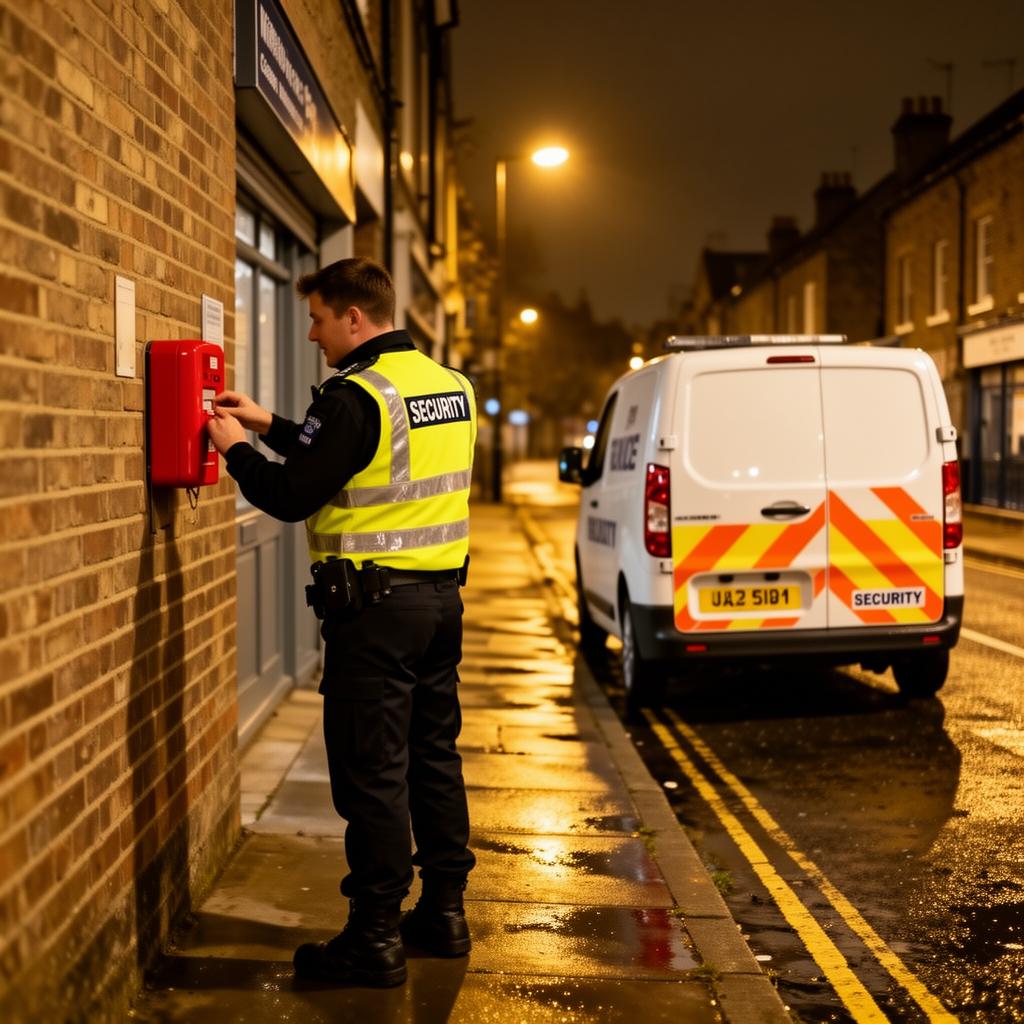
2. How an Alarm Response Actually Works
Alarm signal triggered
Your intruder, fire or panic alarm sends a signal to the alarm receiving centre (ARC).
ARC validates and escalates
The ARC verifies the activation, records the URN where applicable, and instructs your nominated alarm response provider.
Closest responder dispatched
The nearest SIA-licensed officer is dispatched in a marked vehicle, with all relevant site notes loaded on a mobile device.
External assessment on arrival
The officer parks safely, observes the premises and checks externally for forced entry, broken glazing or persons of interest.
Internal access if safe
Where keys are held and conditions are safe, the officer enters and conducts an internal sweep.
Securing and reset
Any breach points are secured (boarding contractors arranged if needed) and the alarm is reset where authorised.
Police / fire liaison
Emergency services are called or briefed where evidence supports it; URN is quoted to maintain police response status.
Digital report delivered
A full incident report — photos, timestamps, GPS trail, recommended actions — is sent to nominated contacts within 1–2 hours.
3. Response Time SLAs in the UK
| Site Type | Typical UK SLA | Best Practice Target |
|---|---|---|
| Urban / city centre | 30 minutes | 20 minutes |
| Suburban | 45 minutes | 30 minutes |
| Rural / remote | 60–90 minutes | 45 minutes |
| High-risk priority | Bespoke SLA | 15–20 minutes |
Always check the SLA against the postcode of your actual sites — not the provider's head office. Use our postcode coverage tool to confirm response in your area.
4. Alarm Response Service Costs
UK alarm response is almost always priced as standby + per-attendance:
- •Monthly standby per site: £8–£25 — covers key storage and 24/7 readiness
- •Per-attendance call-out: £35–£75 — one fee per dispatched officer visit
- •Hourly waiting rate: £18–£30 — for extended on-site dwell beyond initial call-out
- •Bundled with patrols: typically the cheapest option per call-out
Watch for hidden mileage charges, weekend uplifts, and "minimum chargeable visit" clauses — these are the most common sources of unexpected bills.
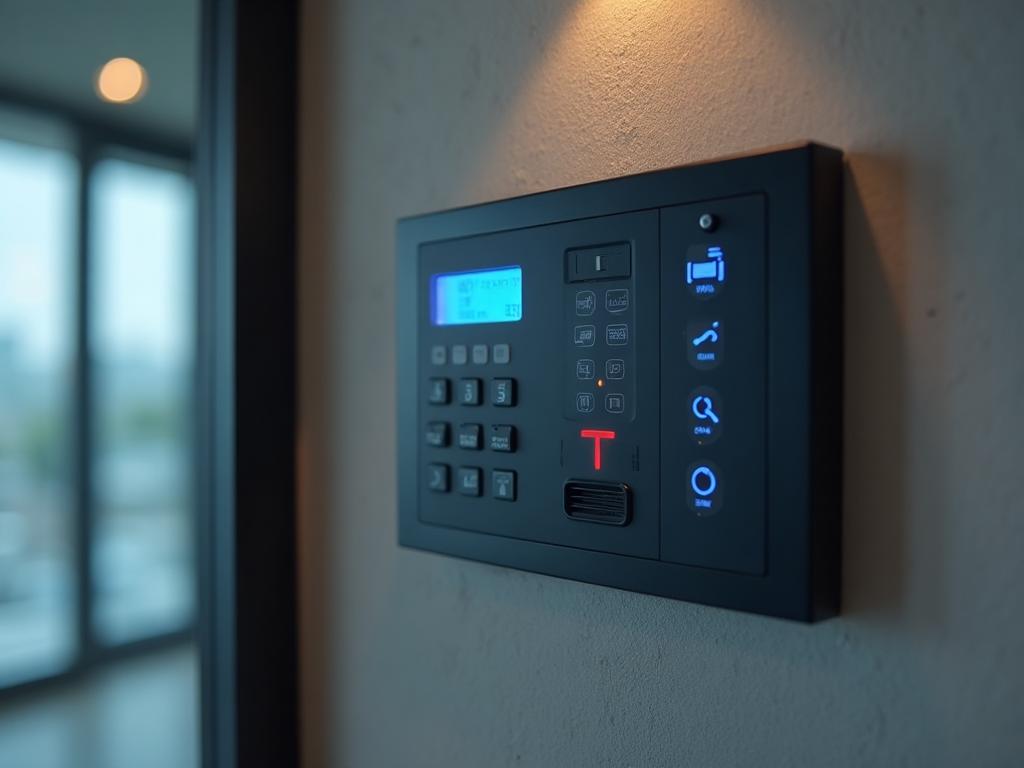
5. UK Standards and Police URN Policy
UK alarm response is shaped by two British Standards and the national policing policy on alarm response:
- •BS 7984-1:2016 — Code of practice for keyholding and response services. Defines how response should be planned, dispatched and reported.
- •BS 7858 — 5-year vetting standard for security personnel.
- •NPCC Security Systems Policy — the national framework that governs how police respond to alarm activations and when URNs are withdrawn after repeat false alarms.
The practical impact: after a small number of false activations within a 12-month rolling window, police may downgrade or withdraw response to a Unique Reference Number. A professional alarm response service helps you avoid that by attending and verifying every activation before it escalates.
6. Why DIY Alarm Response Fails
Asking a manager to be the named keyholder for alarm response usually fails on five fronts:
- •Personal safety risk attending potentially live break-ins alone
- •Response time degrades with distance, fatigue and availability
- •No structured digital reporting for insurers or police
- •Repeat false alarms are not investigated quickly enough to keep the URN
- •Health and safety duty of care exposure for the employer
The wider problem and how to avoid it is covered in our guide to 5 key holding mistakes putting your business at risk.
7. Choosing an Alarm Response Provider
- 1SIA Approved Contractor Scheme registration — not just licensed officers
- 2BS 7984-1 aligned operations and BS 7858 staff vetting
- 3Written SLA for your specific postcode, with KPI reporting
- 424/7 control room with named escalation contacts
- 5GPS-tracked responder fleet and dash-cam evidence
- 6Same-day digital incident reports with photos and timestamps
- 7Insurer-recognised reporting format (helpful for claims)
- 8Mobile patrol and lock-unlock bundling on the same contract
- 9Public liability insurance and ISO 9001 quality certification
- 10Transparent pricing — no minimum-spend or surprise weekend uplifts
8. Combining Alarm Response With Keyholding and Mobile Patrols
The strongest UK contracts combine three services with one provider:
- •Key holding — secure storage of your keys for controlled access
- •Alarm response — attendance whenever the alarm activates
- •Mobile patrols — scheduled and random visits for visible deterrence
Bundling these on a single contract removes the gaps that exist when alarms, keys and patrols are split across different suppliers — and almost always reduces unit costs at the same time.

9. Frequently Asked Questions
What are alarm response services?
Alarm response services dispatch an SIA-licensed security officer to your premises whenever your intruder, fire or panic alarm activates. The officer attends, investigates, secures the site, contacts emergency services if required and produces a digital incident report — without your staff needing to attend out of hours.
Do I need an alarm response service?
If your premises has a monitored alarm and is unoccupied at any point during the week, you almost certainly need a nominated keyholder for response. Most insurers, alarm receiving centres and police forces will not respond to repeat activations without one. A professional alarm response service is the safest, fastest way to meet that requirement.
How fast is a typical alarm response in the UK?
UK industry norms sit between 20 and 45 minutes from the alarm receiving centre raising the call to a response officer arriving on site. Urban locations are typically 20–30 minutes, rural sites can be 45–90 minutes. Delta Force Group operates a 20-minute target across covered postcodes.
How much do alarm response services cost?
Most UK alarm response contracts include a small monthly standby fee per site (often £8–£25) covering keyholding and standby, plus a per-attendance call-out fee of £35–£75 each time officers are dispatched. Bundling with mobile patrols and lock and unlock typically reduces unit costs.
What standards apply to UK alarm response services?
The two main British Standards are BS 7984-1:2016 (keyholding and response services code of practice) and BS 7858 (security staff screening). Officers must hold a valid SIA front line licence. Many quality providers are also SIA Approved Contractor Scheme registered and ISO 9001 certified.
Will the alarm receiving centre still call the police?
Yes — for confirmed alarms with valid Unique Reference Numbers (URNs), the ARC will continue police escalation alongside dispatching your nominated keyholder. Repeat false activations can lead to police withdrawal of response under ACPO/NPCC policy, which is why professional alarm response is essential.
What happens at the end of an alarm response visit?
After the officer has investigated, secured the premises and reset the alarm where safe, you receive a detailed digital report — with photos, timestamps, GPS data and a clear next-action recommendation. Reports are typically delivered within 1–2 hours of the visit.
Can alarm response cover fire alarms and panic alarms too?
Yes. Most providers cover intruder, fire, panic, plant fault and CCTV-triggered activations. Always confirm scope at contract sign-off — and make sure escalation paths for fire alarms include immediate notification of the fire service rather than purely site attendance.
Get Real Alarm Response in Your Postcode
Delta Force Group provides nationwide alarm response with a 20-minute target across covered postcodes, SIA-licensed officers, BS 7984 aligned operations and same-night digital reporting. Confirm coverage in your area or request a tailored quote for alarm response, keyholding and mobile patrols on a single contract.